The KnowAtom Science System

A collection of curriculum, pedagogy, materials and professional development that work together to advance elementary student knowledge and application of science, engineering and technology.

Elements of the KnowAtom Science System:
Curriculum Design
Curriculum Components
Materials
Assessment
Pedagogy

Curriculum Design
Stepped Units – The KnowAtom curriculum is designed to create a complete picture of the many areas that science reaches. All classrooms using the KnowAtom curriculum follow a specific unit order so students are prepared with the background knowledge necessary to build on concepts.
Stepped Progression – KnowAtom addresses recognized national and state science standards each year with increasing depth. As students progress, the basic concepts are reinforced and applied within new contexts.
Stepped Processes – Students master specific goals within the Scientific Method and Engineering Design Process at every grade level. Lessons on data collection, conclusion writing and hypothesis construction, prepare students to design their own experiments and prototypes.
Pacing – Each year of the KnowAtom curriculum is comprised of 10-15 units. Breaking down larger concepts into specific topics increases the diversity of material exposed to students. A topic like electrical energy can be discussed through circuits, magnetism, batteries, motors and generators over different grade levels. This approach helps students review concepts from year to year.
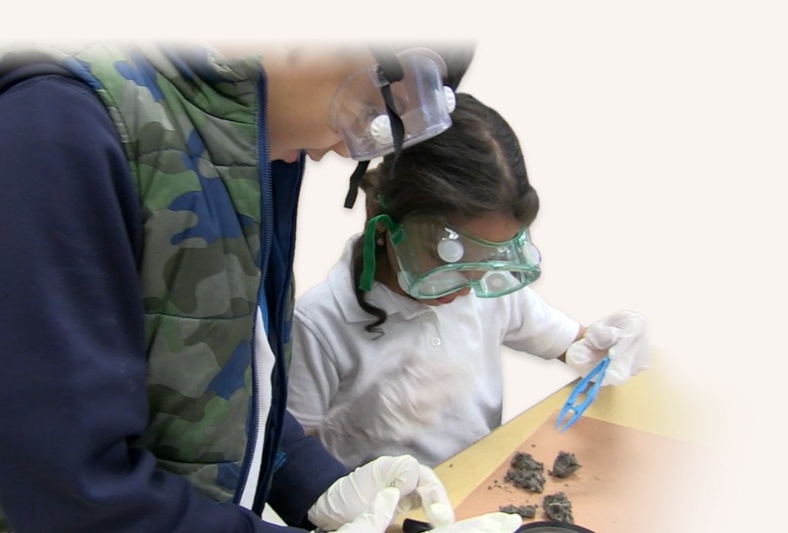
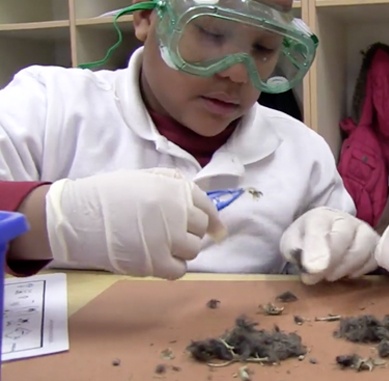
Fun – KnowAtom is fun because every unit is a new exploration. Every lesson involves students connecting to science as they are challenged to build something new or observe a living organism. Students look forward to science class.

Curriculum Components
Background– Instructors receive all of the information they need to conduct well-informed discussions about the concepts demonstrated by the hands-on activities. The background information supports the unit goals and puts the vocabulary in context.
Lesson Plans – The lesson plans accomplish the standards by making them come alive. Every lesson includes a suggested discussion that covers the unit’s concepts and allows students to build confidence using scientific vocabulary. Step-by-step guidelines to lead students through activities include detailed visuals, photographs and classroom management tips.
Visual Aids – Each unit includes a set of color visuals for a projector or Smart Board. The visuals are used to introduce unit topics and guide students in their discussions.
Non-Fiction Readers – Age-appropriate reading material is included with every unit. These colorful readers provide students a connection to the vocabulary and real world applications of scientific concepts. The readers allow students to practice their literacy skills while learning about science and engineering.
KnowAtom Interactive – The KnowAtom curriculum is available as a printed binder or in a digital format that allows teachers to explore topics that they would like more information about. Teachers may also access multiple grade levels and download supplemental materials on the website.

Materials
Consumable Materials – KnowAtom’s hands-on activities use commonplace materials for novel purposes. The experiments and prototypes become tangible artifacts of student learning and success that can often be taken home. All of the consumables needed for the activities are prepared and included in classroom materials kits. KnowAtom’s policy is to use post-consumer recycled content when available.
Non-Consumable Materials – Classroom materials kits include non-consumables, which are tools that do not need to be modified or destroyed when students are conducting experiments or creating prototypes. Schools may keep these materials in their classrooms from year-to-year.
Shipments – KnowAtom is able to work with districts to manage a large amount of materials for each classroom. Districts can choose to receive materials in staged deliveries or all materials at once. Consumable materials are refilled upon request.

Assessment
Data – Students construct prototypes and conduct experiments that produce quantitative and qualitative data. KnowAtom teaches students how to measure and record measurements in data tables. The tables are structured as grids to help students appropriately organize data, make conclusions and share results.
Laboratory Notebooks –Students are responsible for structuring and recording their scientific thinking in laboratory notebooks. The teacher has an ongoing record of students as they develop their logic, refine their skills and master the Scientific Method and Engineering Design Process. The notebook connects students to the profession of science and prepares them for science classes in later grades.
Quizzes – KnowAtom prepares students by giving them the knowledge and critical thinking skills that lead to science proficiency. Each unit comes with a quiz that tests students’ understanding of scientific concepts and makes them familiar with the kinds of questions they will find on standardized tests.

Pedagogy
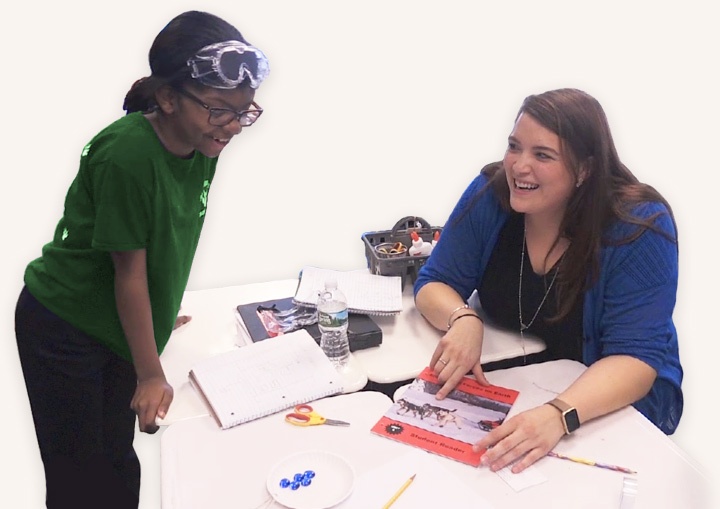
Professional Development – Workshops help teachers create inquiry-based learning environments for science and engineering. Participants discover how to implement the KnowAtom system so it produces the most effective discussions and results.
Common Language – KnowAtom gives students access to more complex concepts by translating vocabulary into age-appropriate terms. Students at even the youngest ages are thus able to intelligently discuss topics like atomic theory, climate change and heredity.
Personal Relevance – KnowAtom helps students integrate their experiences within classroom discussions of scientific concepts. Students learn how everyday observations, like sunrise or animal behavior, relate to science.